Issue 7 ·
Big Pants
The architects still argue over who designed it. Beijing decided what to call it.
Ten years ago, I cycled past the CCTV headquarters every morning on the way to work. Two hundred and thirty-four metres of building bent into a loop, its top corner cantilevered out over a courtyard that nobody uses. It is one of the most structurally audacious buildings ever built in a city, and on a bicycle at seven in the morning it is genuinely immense. You do not get used to it.
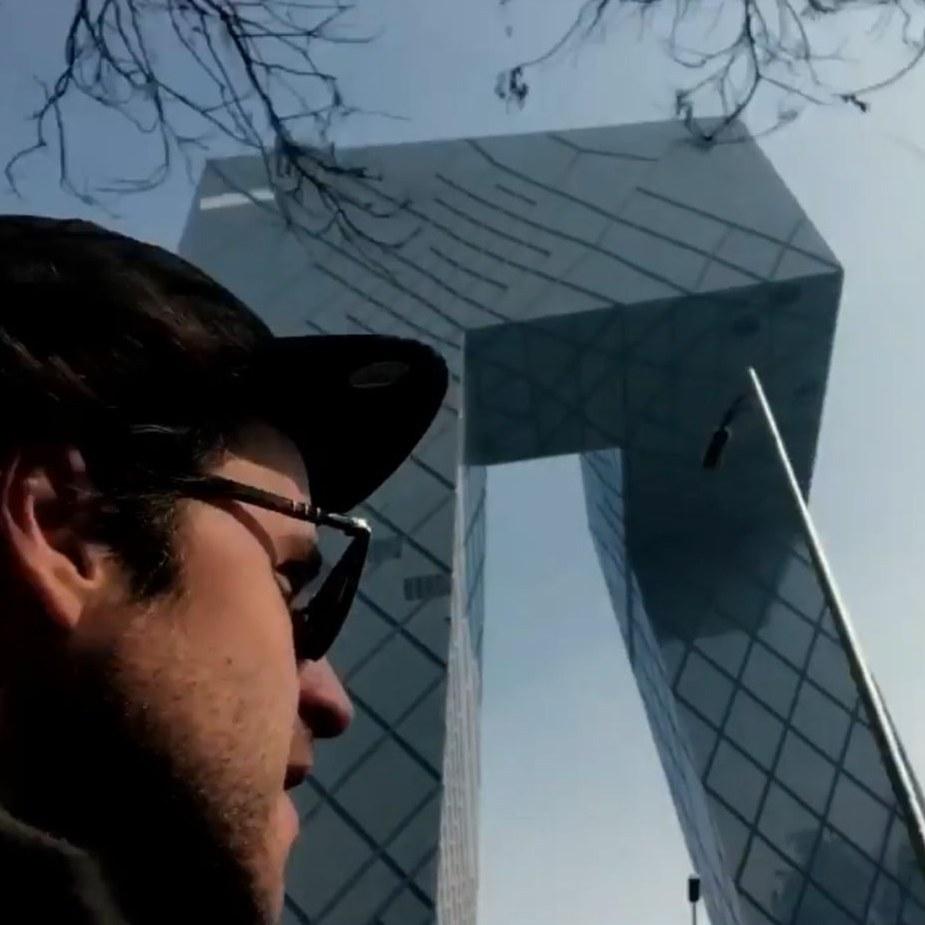
I ended up working at both of the firms who claim to have designed it. Buildings like this come with a lifelong authorship dispute attached; the architects fight over who drew which line for the rest of their careers, and the project credit gets longer every time it appears in a monograph. Meanwhile the people who actually live in Beijing looked at it once, decided it resembled a pair of trousers, and called it 大裤衩 - Big Pants. That is what it has been called for fifteen years. That is what taxi drivers know it by. The architects' names don't come up.
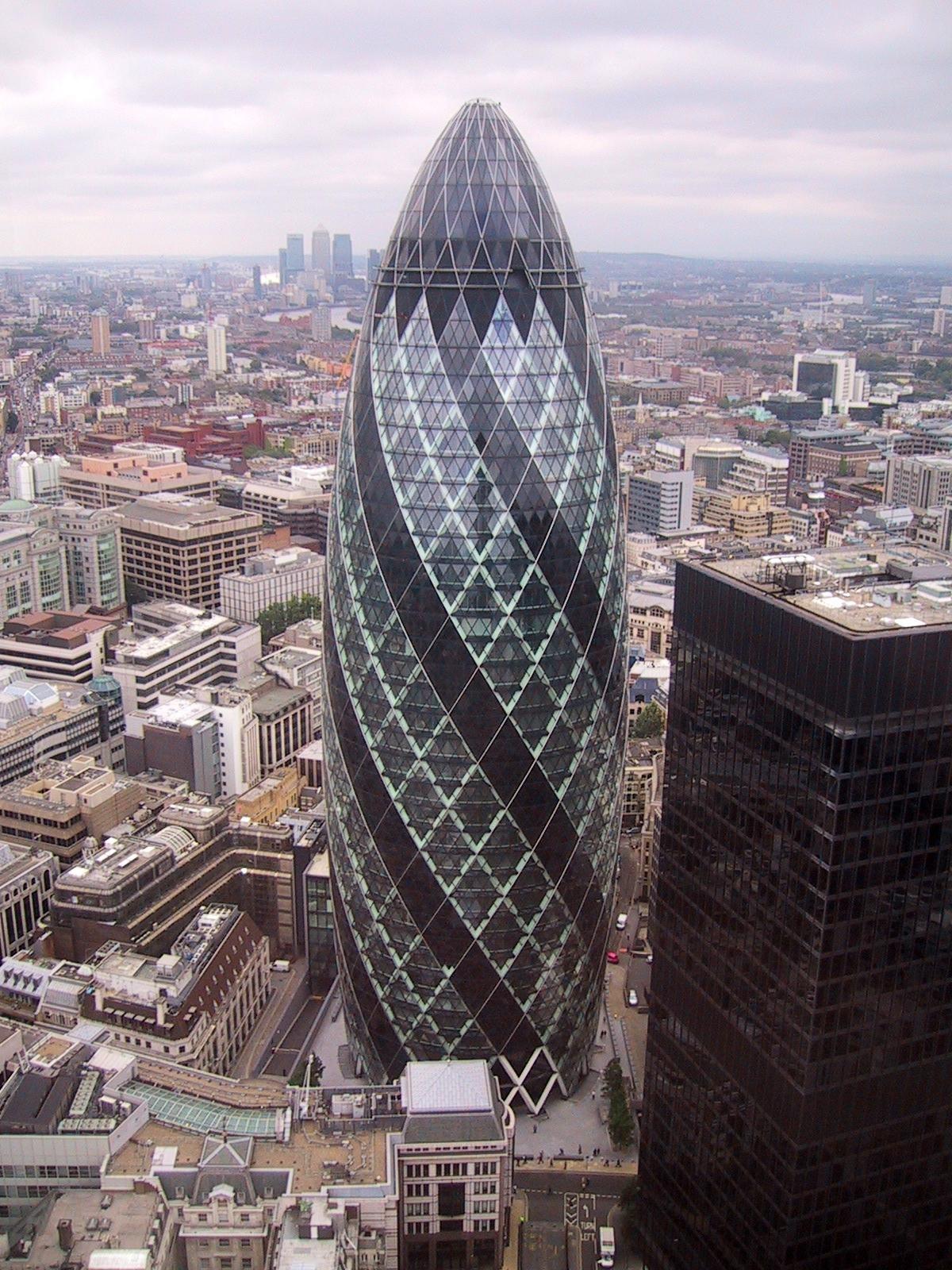
This is a thing Londoners also do. The Gherkin is 30 St Mary Axe. The Cheesegrater is the Leadenhall Building. The Walkie-Talkie is 20 Fenchurch Street. In every case the building was named by its architect and renamed by the city, and in every case the city won. Even the Shard is a nickname. English Heritage called it a shard of glass through the heart of historic London, meaning it as an objection, and Piano liked the insult enough to put it on the building.
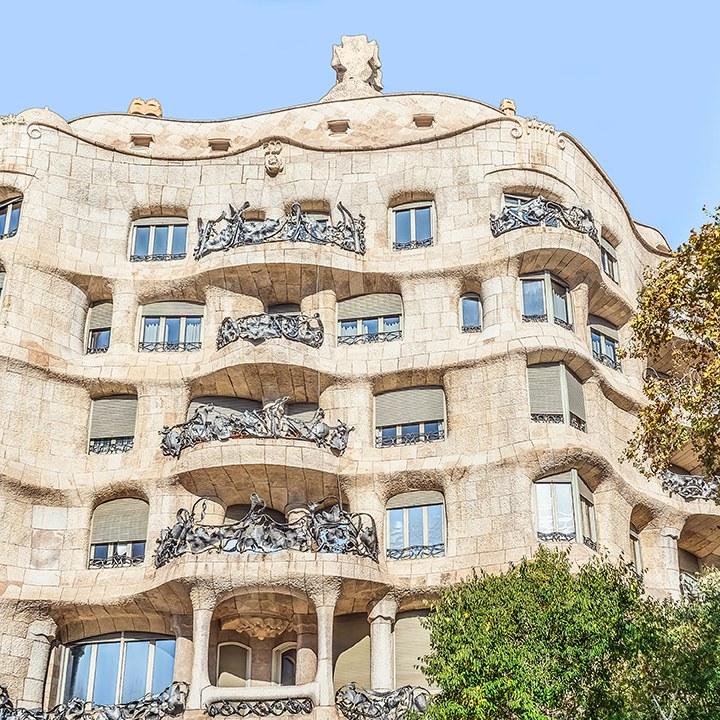
It's older than that, and more widespread. Gaudí's Casa Milà in Barcelona was renamed La Pedrera - "the quarry" - by the public in 1906, originally as an insult. It looked, they said, like a pile of rocks. A hundred and twenty years later "Casa Milà" is the name on the brass plaque and La Pedrera is the name on every taxi driver's lips. The insult won.
The insult always wins, because the nickname is more accurate than the commission name. Gaudí named the building after the family who paid for it. Barcelona named it after what it actually looks like. This is the real mechanism: architects name buildings by who commissioned them, what goes inside them, or what abstract idea they're meant to represent. The public names them by what they see. The public wins because the public is describing the thing in front of them, and the architect is describing the thing in their head.
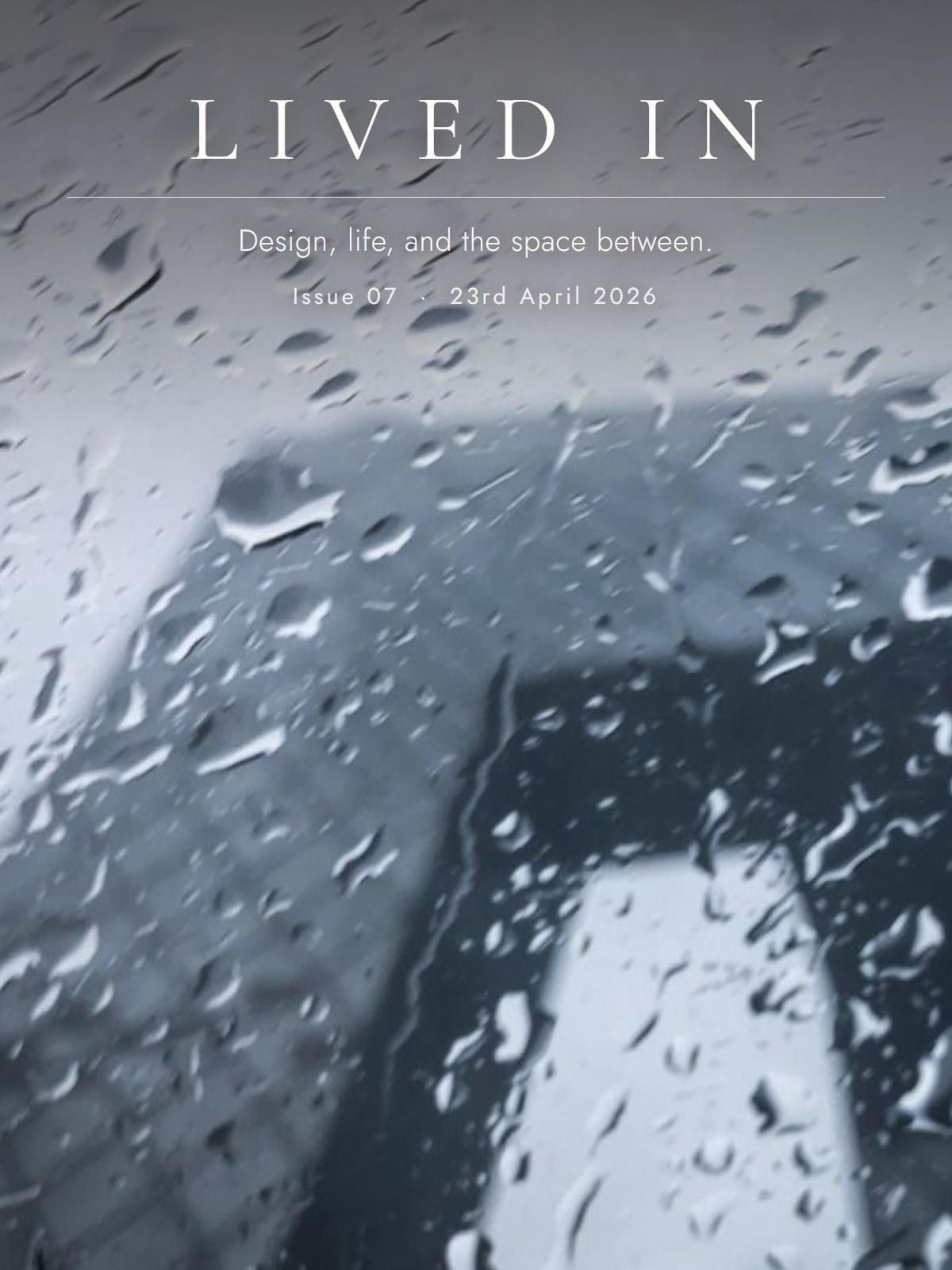
I kept the photos from those bike rides. The cantilever at seven in the morning. A cargo truck with characters down the side, a man walking through a long exposure and becoming a ghost. Rush hour during a sandstorm, the building half-dissolved into the air and still, unmistakably, itself. Unmistakable, whatever the weather. That's what a nickname is - the verbal version of a silhouette so specific you can identify it through rain on a windscreen. The form and the name do the same job.
I think about this every time I draw something now. Somewhere a building I am working on will get built, and the neighbourhood will decide what to call it, and that name will be the one that lasts. It won't be the one on the plaque. It won't be the one in the press release. It will be whatever the person across the road decides it looks like on their way out one day. That is the contract, and it is non-negotiable, and every architect signs it the day they graduate without realising. I only hope, when my turn comes, the nickname is a kind one.
Big Pants. Job done.
What's a building in your city that nobody calls by its proper name? I reply to everything.
See you next week,
Danny