Issue 12 ·
Engineers Don't Trust The Load
The bamboo was in the wrong place. The boat broke down. Neither was a problem.

The best buildings are designed for the load you don't expect. Not the weight that will sit on the beam, but the weight that won't, plus a wide margin for the day it does. Engineers call it the factor of safety, and the whole discipline runs on it — you calculate what the structure must carry, then you build it to carry far more, because the difference between the two numbers is the only thing standing between a bridge and a river full of cars.

Two Bali projects have been on my desk this past week. On one, we wanted a viewing platform — a clean line straight out from the house to a single point in the landscape. Then the site survey and the photographs came back, and the point was occupied by a large, unapologetic bamboo plant, mature, immovable, exactly where the eye was meant to land. The concept didn't survive the site. Not slightly: the whole idea hinged on a view that didn't exist. So the idea changed. You catch that in week one, or you catch it in concrete, and one of those is a great deal cheaper than the other.
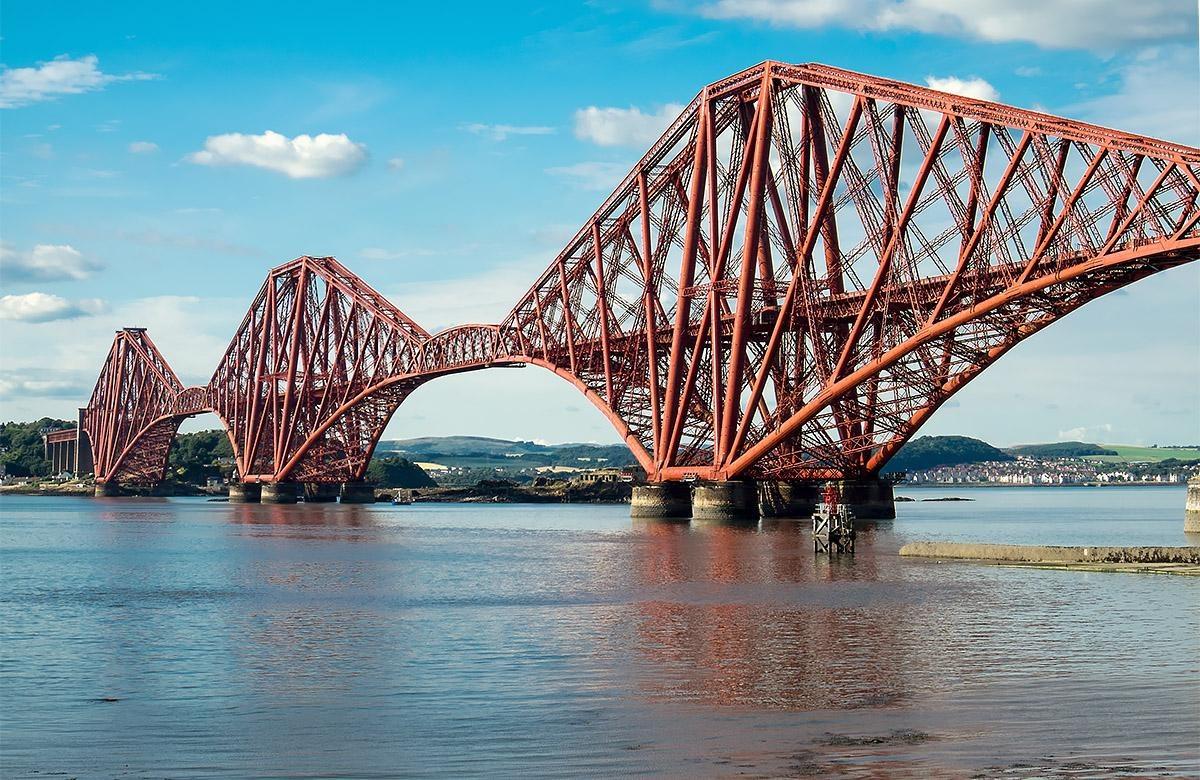
The factor of safety isn't a modern invention, and it wasn't always a calculation. The Victorians built by a rule of thumb so generous it had a name: the factor of ignorance. Build it four, six, eight times stronger than the sums say, because the sums are incomplete and you know it. The Forth Bridge, finished 1890, is the great monument to this anxiety — built immediately after the Tay Bridge collapsed into the Firth of Tay in 1879 and took a train with it. Benjamin Baker and John Fowler over-engineered the Forth so visibly, so massively, that the structure itself is an argument: this will not be the Tay. The margin wasn't hidden. It was the design.
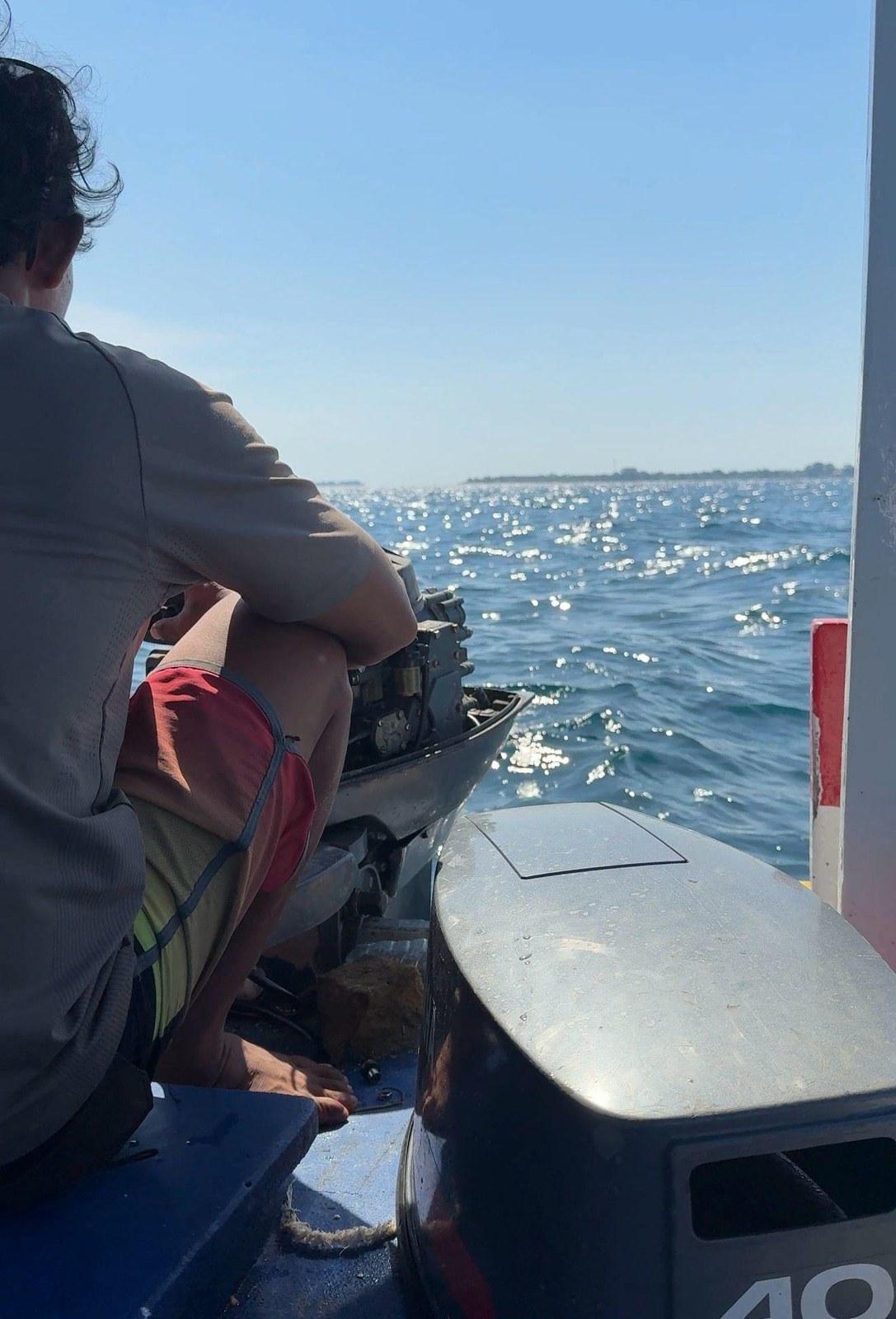
I also spent a weekend in the Gili Islands, off the coast of Lombok. As we were making our way home the small fishing boat taking us back to the mainland broke down in open water. Rough sea, the thing swaying, the crew pulling the cord and the engine catching nothing. You read the situation off the men running it before you read it off the water — my basic level of Indonesian is enough to know that rusak sekali are the last words you want to hear when the waves are picking up. It came right. And it was fine, because we'd left early; we'd built the margin into the day, not the boat. A planned hour of slack absorbs a stalled engine the way a beam absorbs a load it was never going to carry.
You start to see it everywhere once you're looking. The discipline that reads as caution is really a refusal to trust your own numbers. Amateurs plan for the day going right. The work is in planning for when it turns out the bamboo's in the wrong place and the engine won't start, and having built enough slack that neither one is a problem — just a thing that happened, on the way to somewhere you still arrived.
If you've got a project where every part is doing exactly one job and there's no give anywhere — that's not efficiency. That's a Tay Bridge waiting for its train.
Reply and tell me the last plan you were glad you'd over-built.
See you next week,
Danny