Issue 19 ·
Knock On The Wall
Dull thud or hollow tap. You already know how to read both.

There is a meme about architects. You have probably seen it. We cannot walk into a building without touching it. Stroking the concrete. Running a palm down a timber column. Standing far too close to a wall, knocking on it twice with a knuckle, then nodding, as if the wall has answered.
All true. I do every one of these.
But here is what the meme misses. The wall has answered. The knock is a survey, and it is the fastest one in the building trade. Two knuckles on a wall will tell you things the estate agent will not, and the wall only ever gives one of two answers.
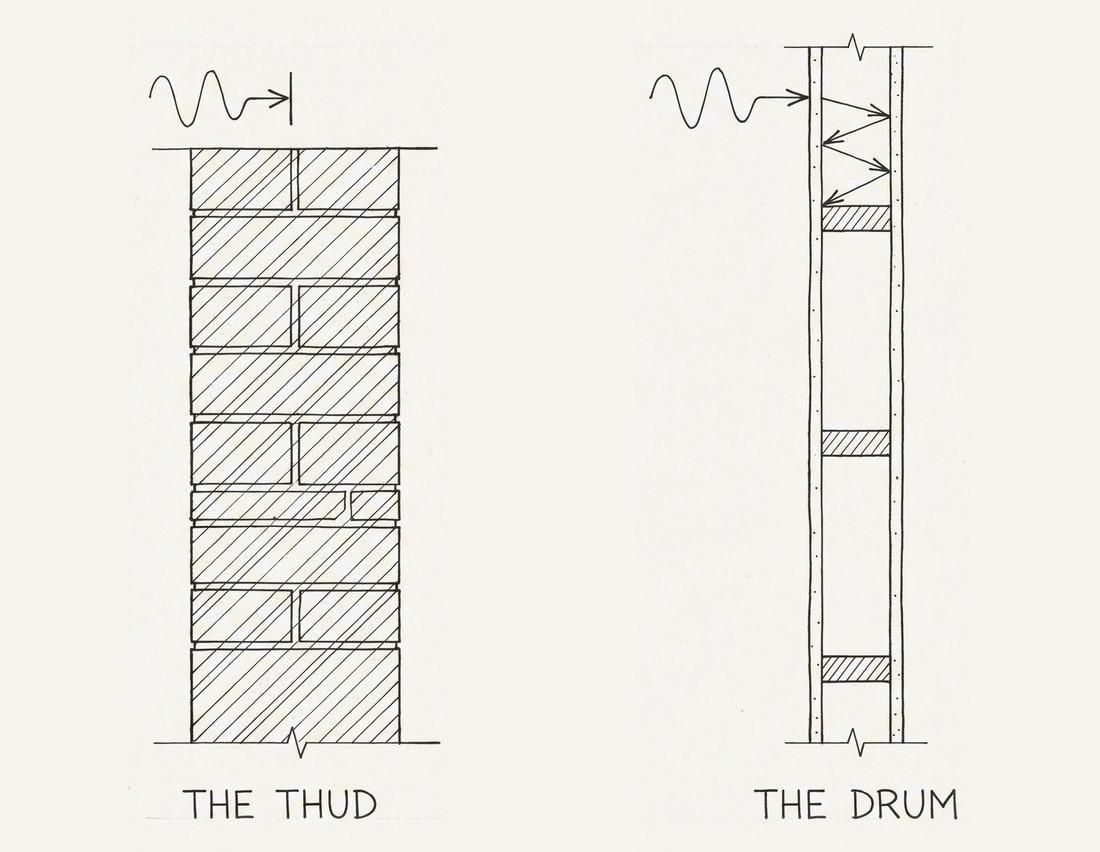
A dull thud means mass. Brick, block, concrete. The sound goes in and does not come back, swallowed by a wall that might be holding the house up.
A hollow knock means a drum. Timber studs, a void, and a skin of plasterboard about as thick as your finger. The sound bounces around the cavity and comes straight back to you. Behind the paint there is air, and not much else.
Two sounds. That is the entire test. No equipment, no fee, no training.
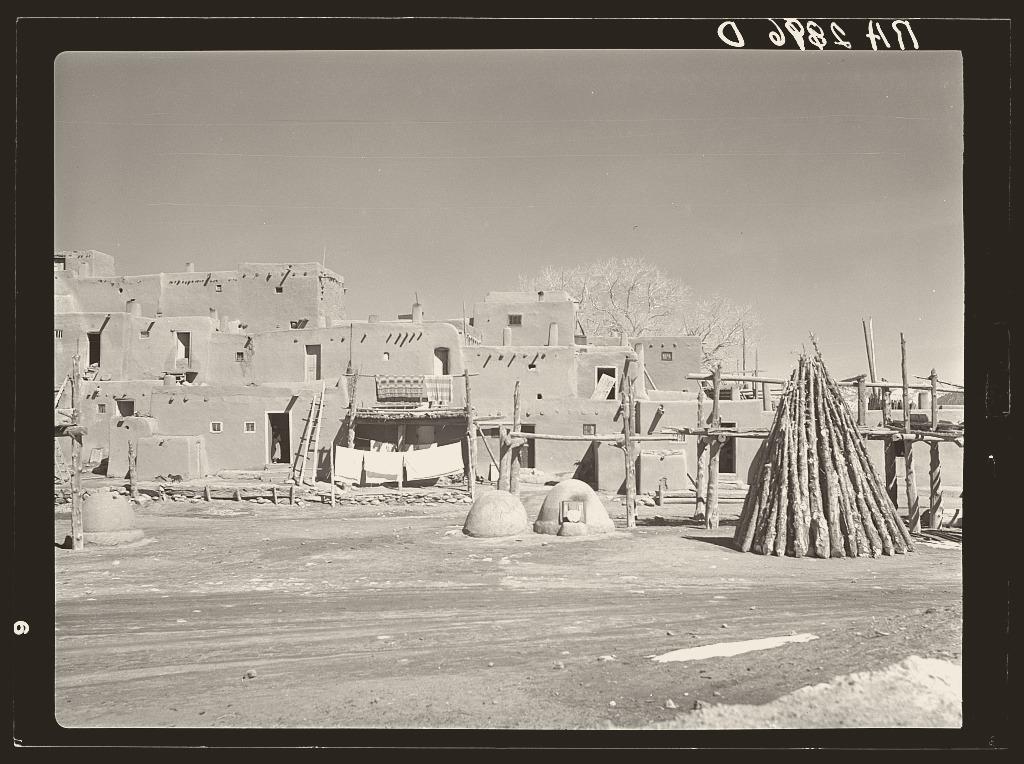
The knock is recent knowledge. For most of building history it told you nothing, because every wall was built with substance. Knock on stone and you mostly hurt your hand. Knock on an old timber cottage, mud and plaster packed thick between the posts, and you get a soft, reassuring thump. Different materials, same answer. Mass.
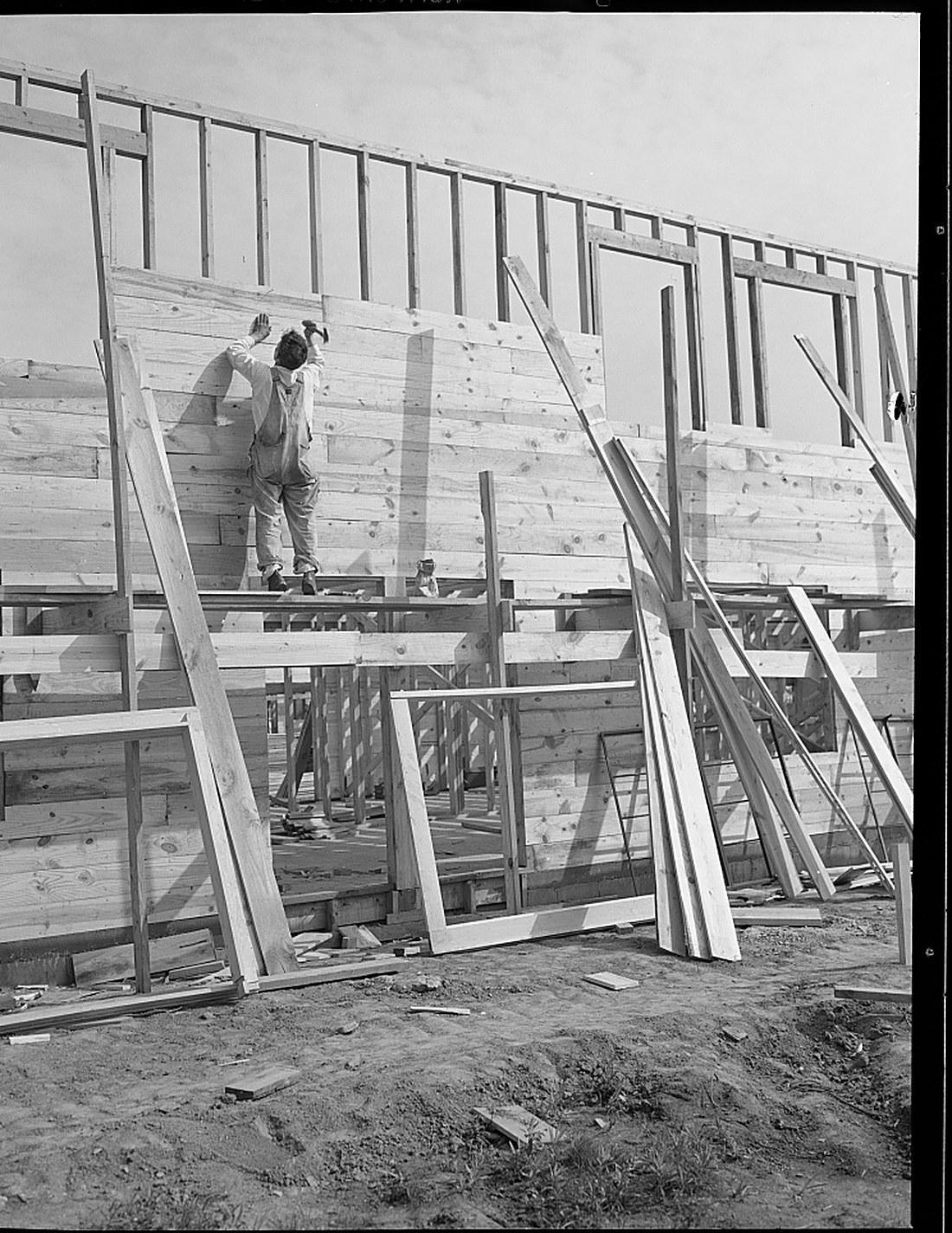
The drum is the newcomer. Its skeleton is the light timber frame, an 1830s trick mocked as balloon framing because the first strong wind would surely carry it off. So far the wind has only managed it in Kansas, in fiction. The name stuck. Its skin arrived in 1894: plaster pressed between layers of paper. Plastering, without the plasterer.
Put the two together and you have the modern partition: a void in a paper skin. Britain held out for a while, then surrendered all at once. After the Second World War there were whole cities to rebuild and nowhere near enough plasterers to wet-plaster them, so the board went up everywhere and never came down. The country filled up with walls you could put a fist through.
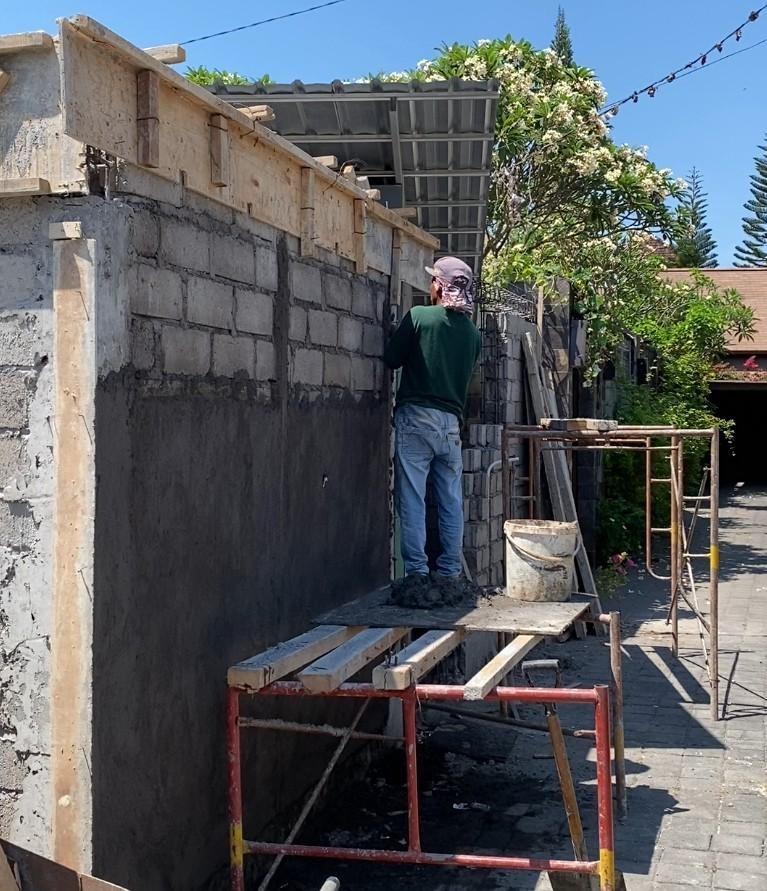
The houses I draw, in Taiwan and Bali, are concrete frame and blockwork, plastered smooth, and every knock comes back dull. The drum barely exists there. It is when I go home that I hear it. Walk through a new build and whole floors answer hollow, room after room.
And this, I suspect, is where “they don't make them like they used to” really comes from. It is not the sash windows or the cornicing. It is a sound. People knock on a wall in a new build, hear a drum, and quietly file the whole house under flimsy. The developers will tell you the modern wall is engineered, insulated, faster and cheaper to build. They are right. It still sounds like a stage set, and nobody was ever reassured by a stage set.
Because the knock tells you something the floor plan never will: which walls are architecture and which are scenery. A hollow wall is a suggestion. It can be moved next weekend with a crowbar and a skip. A solid wall is a decision, made once, by someone who assumed it was permanent.
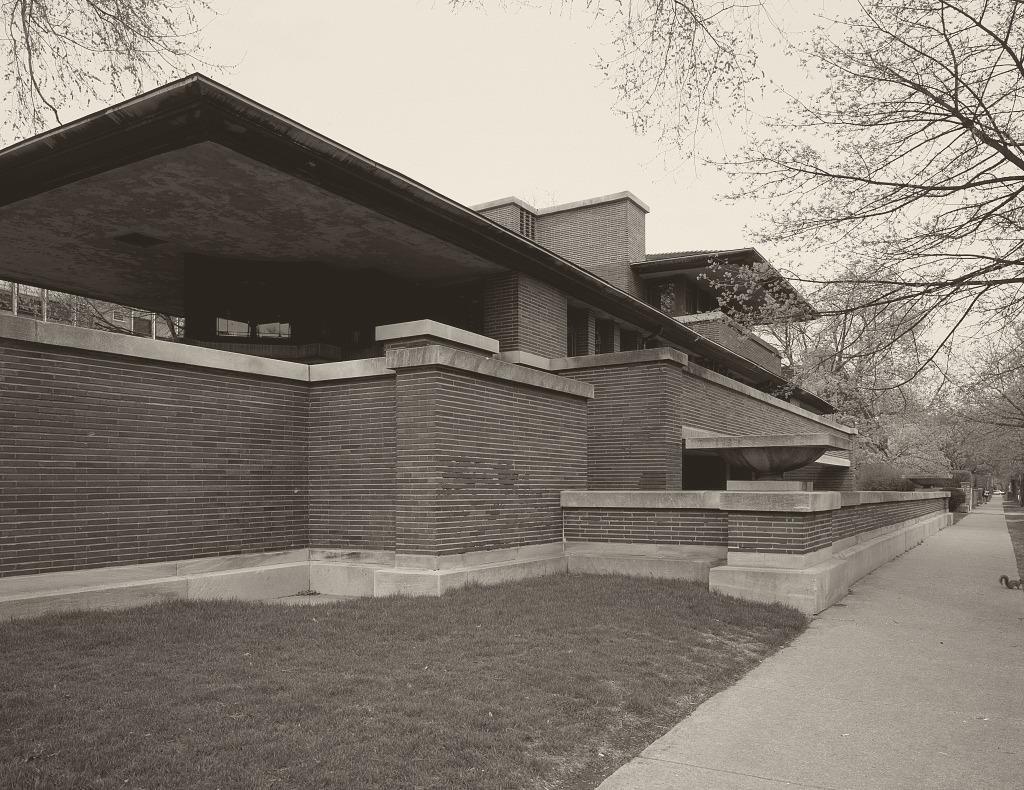
So here is this week's homework, and it is the shortest one yet.
Knock on the nearest wall. Right now, before you finish reading.
Then reply and tell me what you heard. One word will do: dull, or hollow.
I want to know exactly how this list divides.
And next time someone catches you doing it, nod. You are in on the joke.
Danny
a tropical architect