Issue 18 ·
Turn Off The Big Light
The room only appears when it goes off.
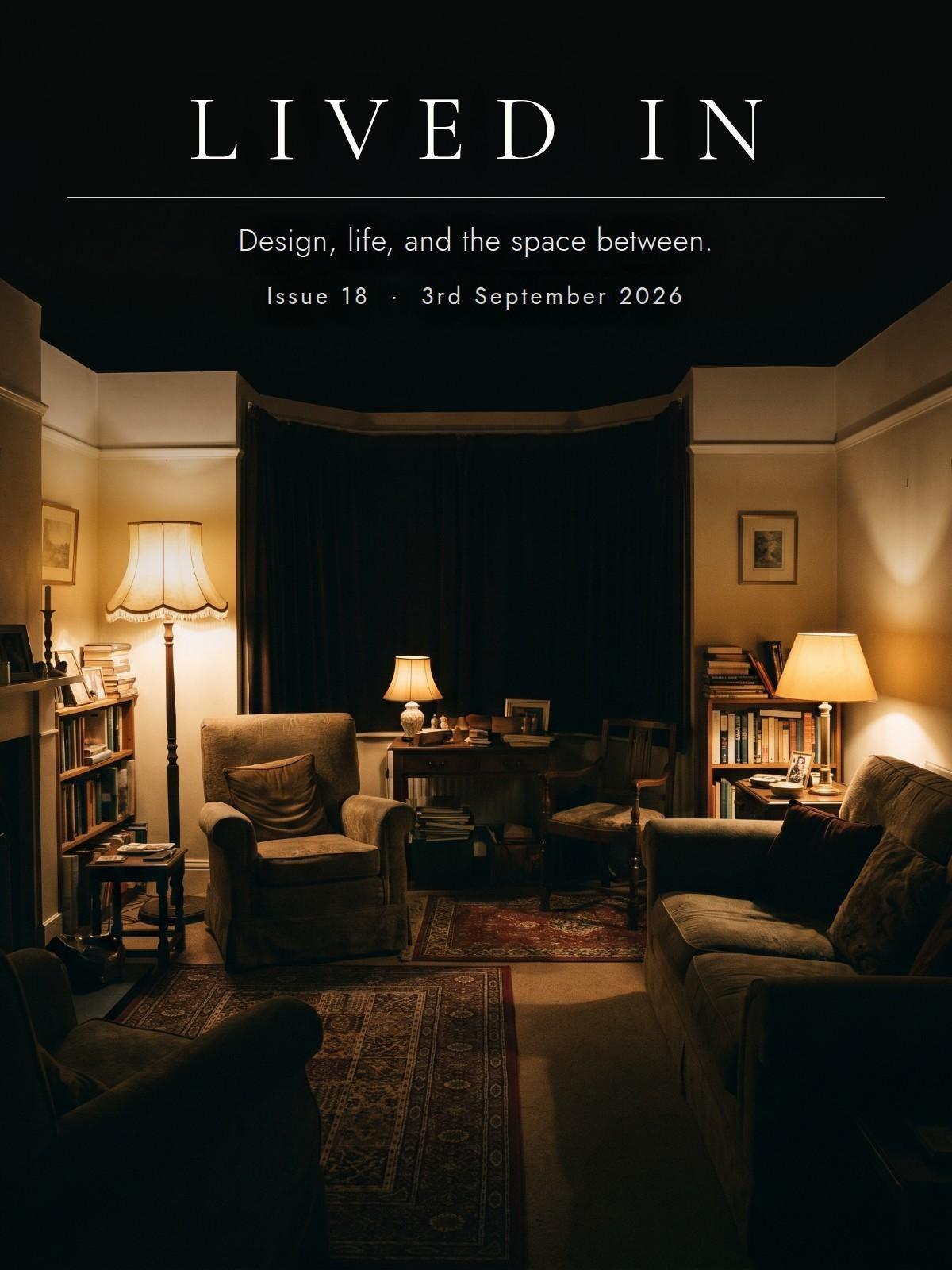
No room has ever been improved by turning on the big light.
The single fitting in the centre of the ceiling, the switch by the door, the one that goes on when someone walks in and off when someone who loves the room walks in after them. In Britain the argument even has a name: the big light war, fought nightly, in every living room, between people who want to see and people who want to be somewhere.
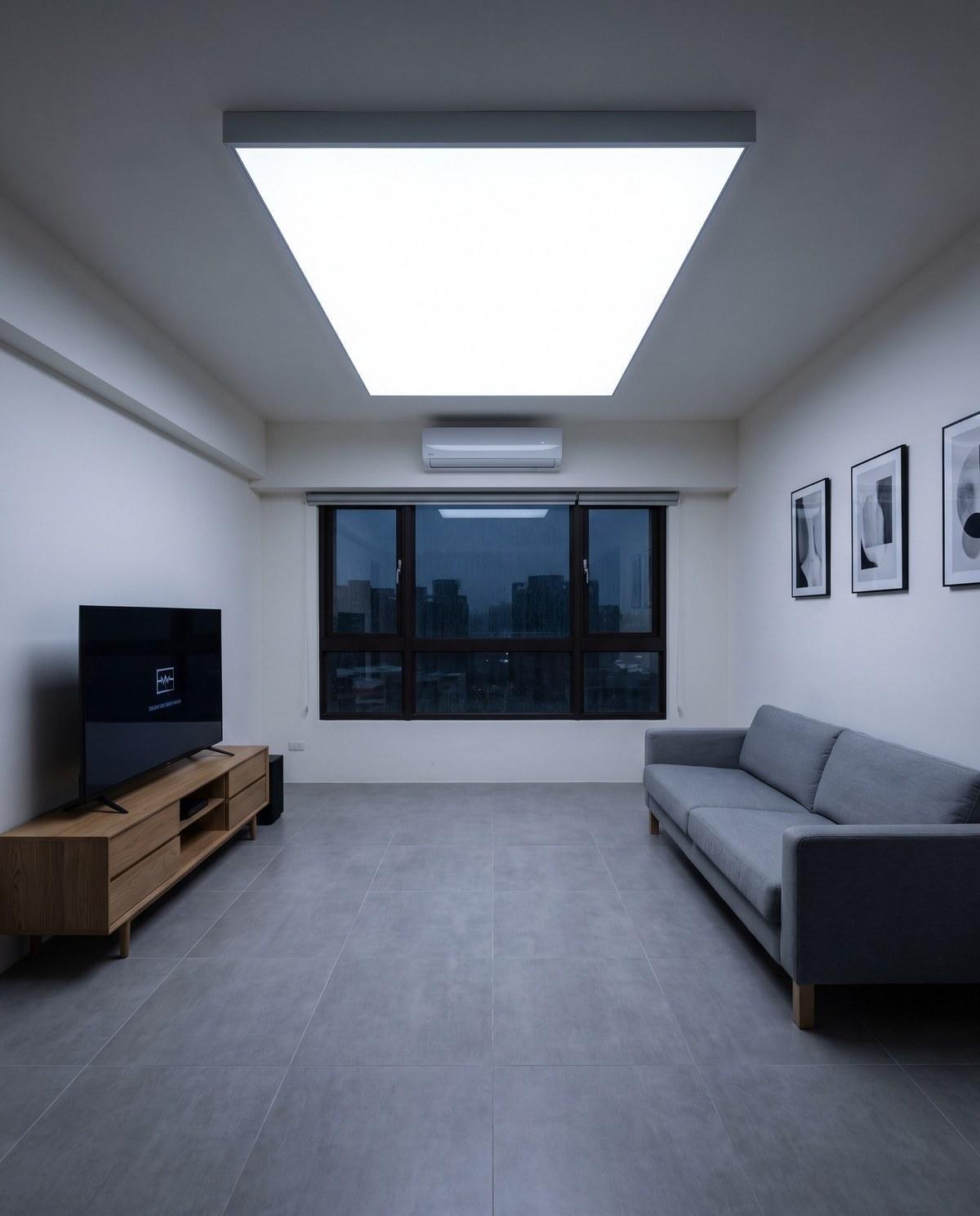
Here in Taiwan the war was lost before I arrived. The standard fit-out is a flat LED panel the size of a coffee table, ceiling-mounted, daylight white, and it turns every living room into a well-run dental practice. My neighbours' evenings glow through their windows like fridges left open. Nobody chose this exactly. It came with the flat.
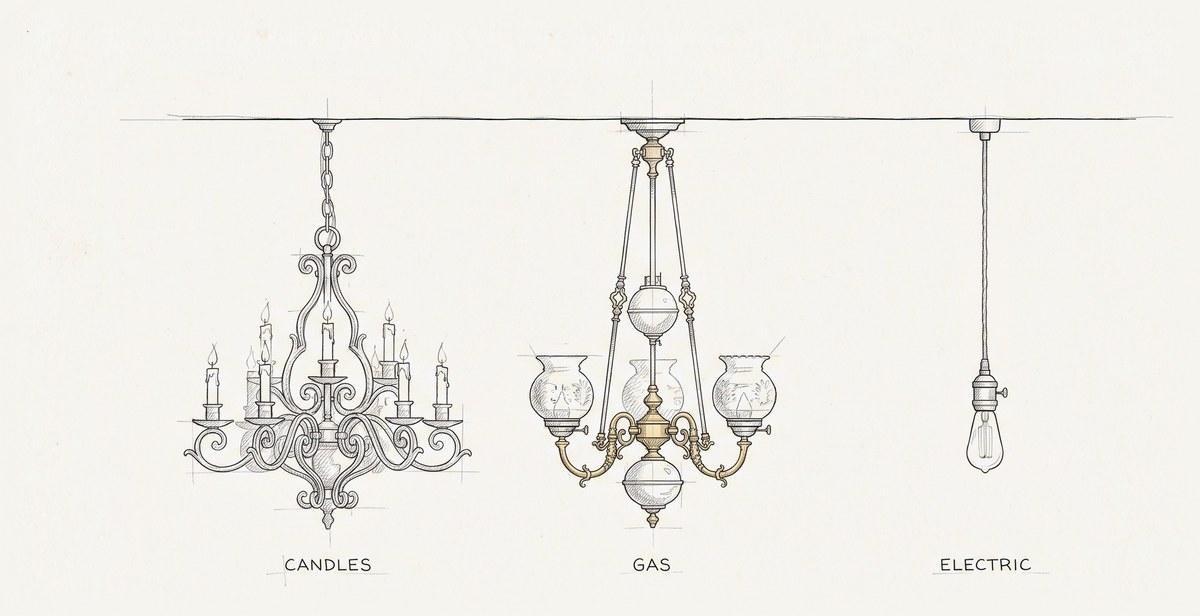
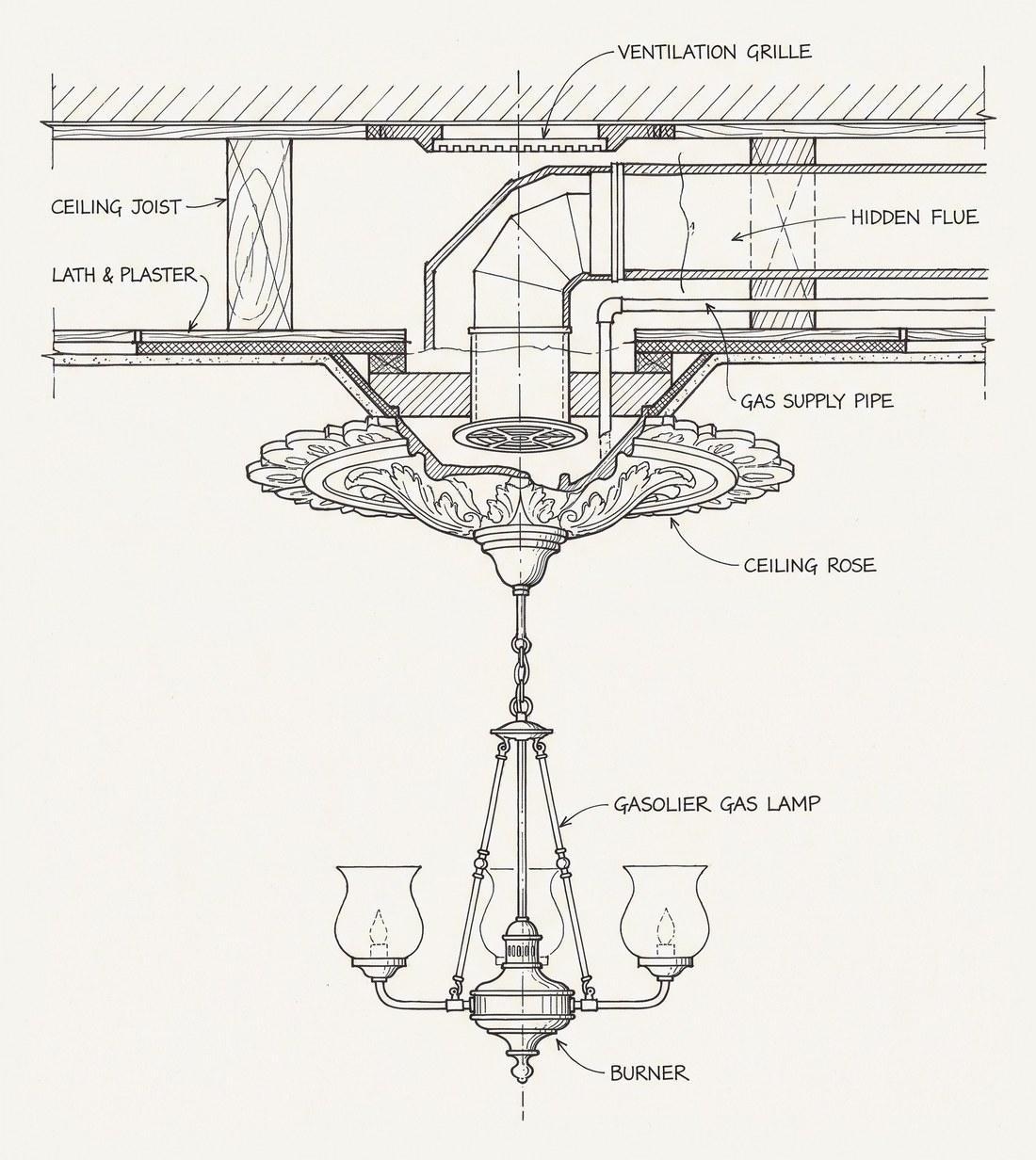
Which is the thing about the big light: nobody chose it at all. It hangs in the centre of the ceiling because that is where the chandelier hung, and the chandelier hung there because candles were expensive and one cluster in the middle lit the whole room least badly. Gas kept the position. The Victorians piped it up through the ceiling, hung a gasolier, and hid a ventilation grille in the plasterwork above the flame to breathe the fumes out of the room. That plaster ring survives as the ceiling rose, a fossil of a fuel we stopped burning a century ago. Then electricity arrived, and we screwed a bulb into the fitting the gas left behind. The big light hangs where it hangs because that is where the pipe was.
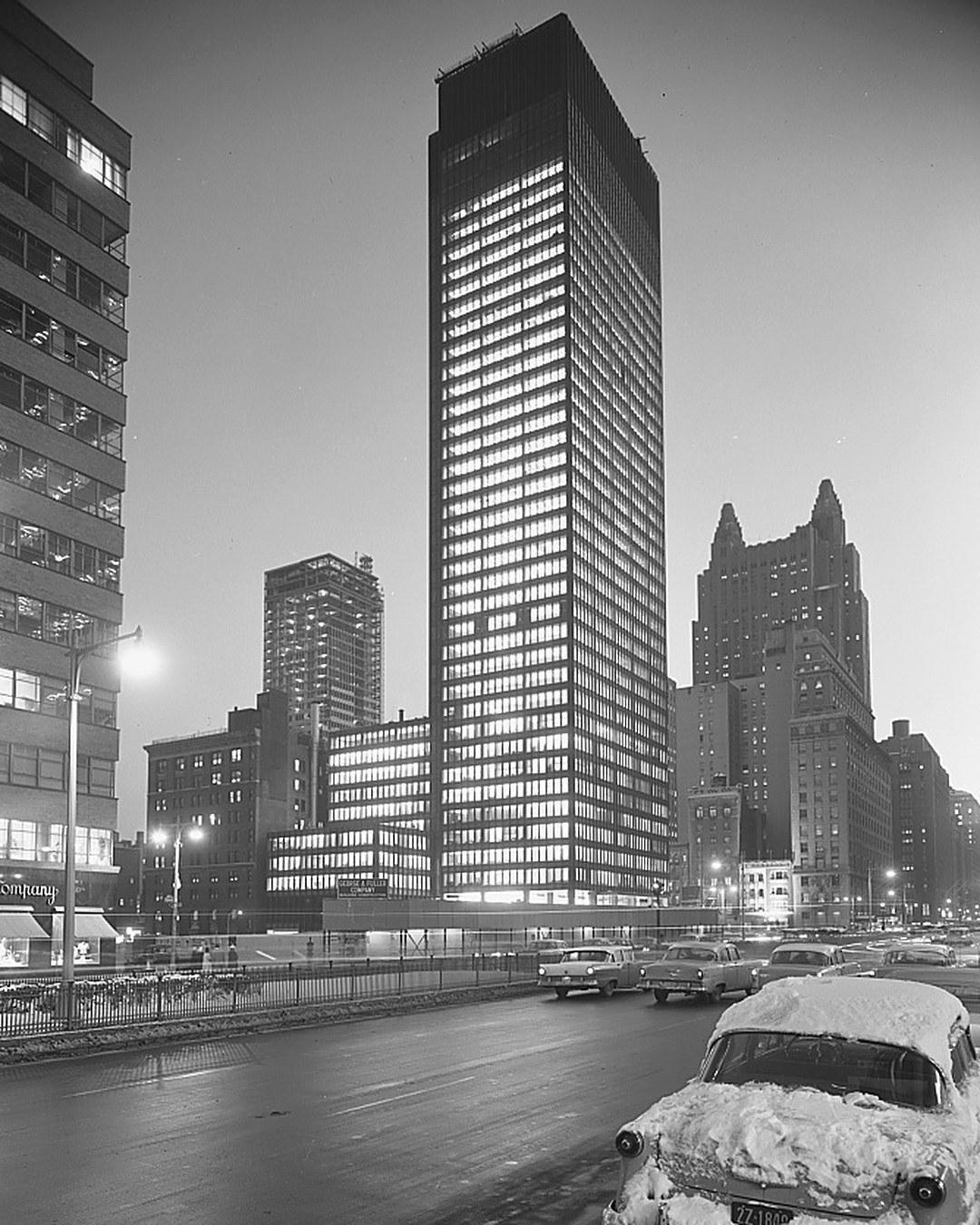
The man who worked out what we should have done instead was Richard Kelly, an American lighting designer most people have never heard of, though they have stood inside his thinking. In the 1950s he reduced all lighting to three kinds. Focal glow: light that makes you look, the pool on the book, the picture lit. Ambient luminescence: the soft general fill that makes a space feel safe. Play of brilliants: sparkle, the candle flame, light as jewellery. He lit Philip Johnson's Glass House with almost nothing overhead, put Mies's Seagram Building on the New York skyline as a tower of light, and shaped the silver glow of Kahn's Kimbell. Three kinds of light, layered, at different heights, on different switches.
The big light is what happens when a room gets only the second one, at full volume, from the worst possible angle. Overhead light falls straight down: it shadows every eye socket, flattens every texture, and shows you the room the way a security camera sees it. Everything visible, nothing seen. It is the light you clean by, search by, and leave by, which is why hotels, restaurants and every room you have ever relaxed in do the opposite: low pools, warm sources, dark ceilings.
Lighting drawings in most practices start as ceiling fittings with some sockets around the edge. Mine start the other way now: sockets, walls washed, one or two things lit on purpose, and the overhead reduced to what the cleaner needs. The switch by the door still works the big light. It just isn't wired to the evening any more. The houses on the projects page are drawn to that rule, if you want to see what it looks like built.
So tonight, run the experiment. Turn on every lamp you own and turn the big light off. The furniture gets heavier. The ceiling disappears. The room pulls in around the light like people around a fire, which is the thing the middle of your ceiling has been impersonating all along.
The big light shows you everything. The lamps show you the room.
If your household fights the big light war, reply and tell me which side wins after 9pm. I already know which side you're on.
See you next week,
Danny